**Introduction**
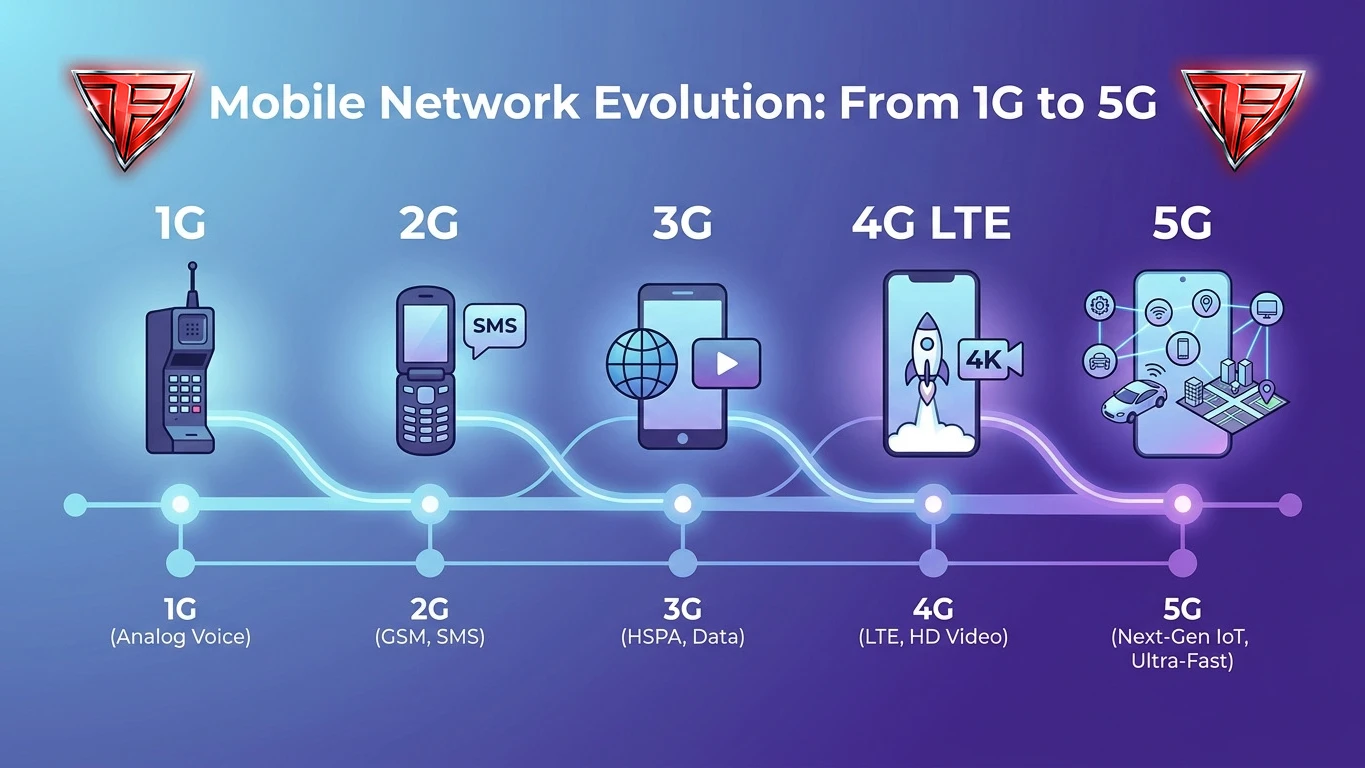
In today’s digital era, network technology is essential for connecting people, devices, and businesses around the world. The evolution of mobile networks, from basic voice calls to ultra-fast internet and smart technologies, has been remarkable over the years. This transformation—from 1G to 5G—has significantly changed how we communicate, work, and live.
In this exploration, we will examine the complete journey of mobile network technology, understand the features of each generation, and see how they have shaped the modern digital world.
What is Mobile Network Technology?
Mobile network technology refers to the infrastructure and systems that enable wireless communication between devices such as smartphones, tablets, and IoT devices. It allows users to make calls, send messages, and access the internet without physical connections.
Each generation of mobile networks (1G, 2G, 3G, 4G, and 5G) represents a significant upgrade in speed, capacity, and functionality.
1G – The Beginning of Mobile Communication

1G (First Generation) mobile networks were introduced in the late 1970s and became popular in the 1980s. They used analog signals and supported only basic voice calls with very low speed (around 2.4 kbps).
Call quality was poor, devices were bulky, and there was no security or encryption, making conversations easy to intercept. Coverage was limited, and signals were often weak or unstable.
Despite its limitations, 1G was revolutionary as it introduced the world to wireless communication, laying the foundation for modern mobile networks.
Who Invented 1G?
Bell Labs (USA): Developed the AMPS system and introduced the cellular concept (1983 launch).
NTT (Japan): Launched the world’s first commercial 1G network in Tokyo (1979).
Nordic Countries (NMT): Introduced international roaming (1981).
Key Insight
Multiple contributors shaped 1G:
NTT → First commercial launch
Bell Labs → Cellular technology foundation
Nordic countries → Roaming innovation
2G – Digital Revolution and the Rise of SMS
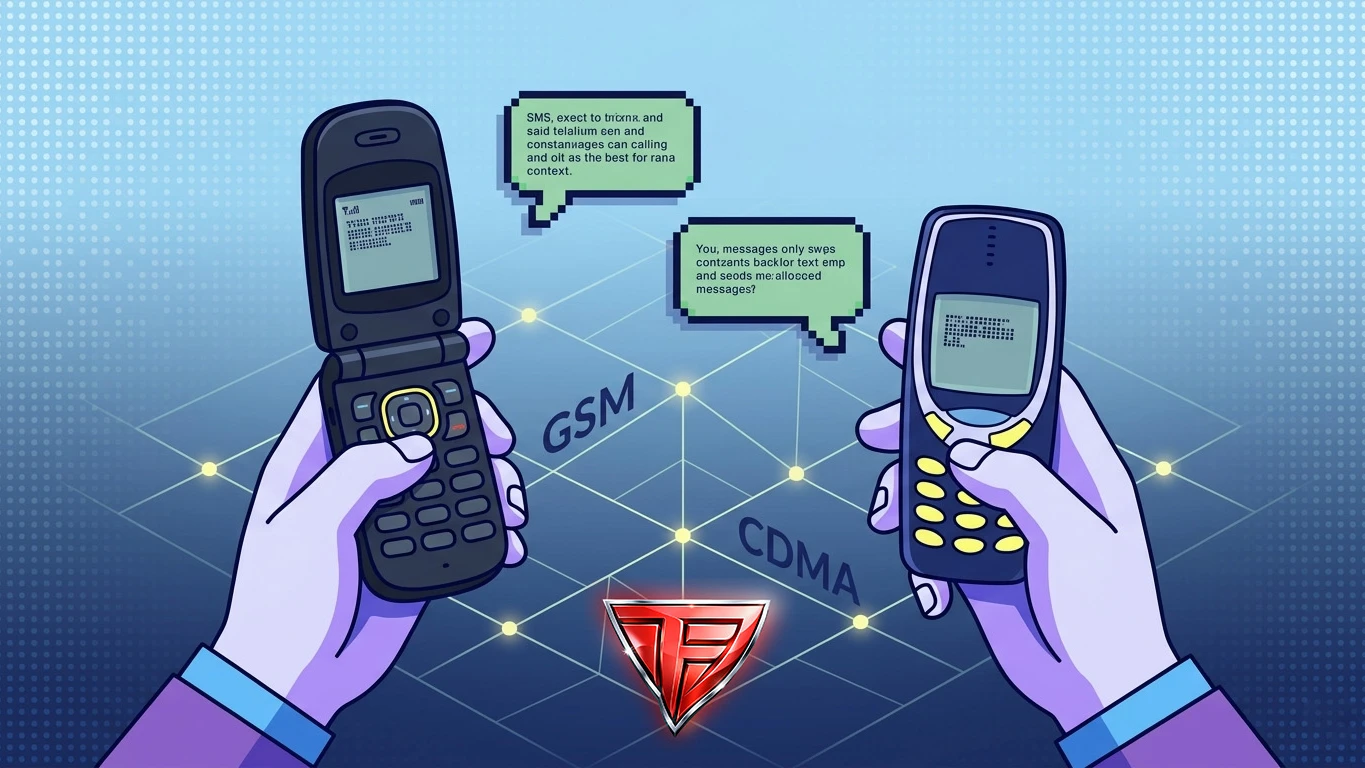
Introduced in the early 1990s (first launched in 1991), 2G (Second Generation) marked the shift from analog to digital communication, significantly improving call quality, security, and efficiency.
It introduced SMS (Short Message Service) and later MMS, making mobile phones true communication tools beyond voice calls. Technologies like GSM (Global System for Mobile Communications) and CDMA enabled global adoption, while GSM also introduced the use of SIM cards.
Data services began with GPRS (2.5G) and EDGE (2.75G), offering basic internet connectivity at speeds up to 384 kbps, though still slow. Latency improved to around 300–400 ms, making simple data tasks like texting and light browsing possible.
Key Highlights:
Digital voice communication
SMS/MMS services
Improved security with encryption
GSM & CDMA standards
Introduction of mobile internet (GPRS/EDGE)
Impact:
2G made mobile phones more affordable, secure, and widely accessible, and popularized text messaging, fundamentally changing global communication.
Pioneer of 2G:
The GSM standard, developed by the European Telecommunications Standards Institute (ETSI), is considered the primary foundation of 2G technology, enabling its worldwide success.
3G – The Mobile Internet Era
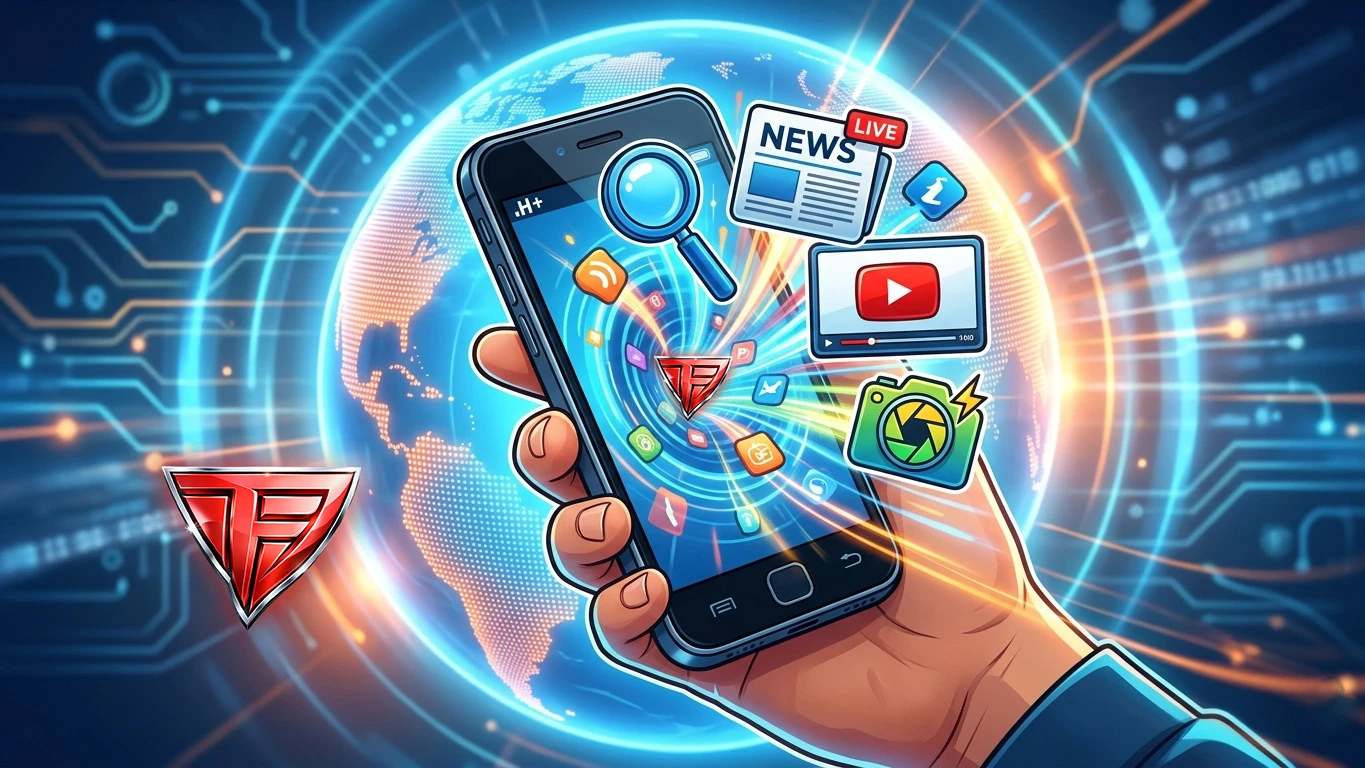
Launched in the early 2000s (first introduced in 2001), 3G (Third Generation) brought high-speed mobile internet and marked the beginning of the mobile broadband era.
It enabled users to browse websites, send emails, stream media, and make video calls. With speeds ranging from 2 Mbps to 14 Mbps and latency around 100–200 ms, 3G significantly improved data performance compared to 2G.
Technologies like UMTS (Universal Mobile Telecommunications System) and CDMA2000 supported packet-switched data, allowing continuous internet connectivity. It also supported MMS, GPS navigation, and app usage, driving the rise of early smartphones.
Key Highlights:
Mobile internet and web browsing
Video calling and multimedia (MMS)
Speeds up to 2–14 Mbps
UMTS & CDMA2000 technologies
Beginning of mobile apps and email usage
Impact:
3G transformed mobile phones into smart devices, enabling apps, streaming, and always-on internet access.
Pioneer of 3G:
The global 3G standard was developed under the International Telecommunication Union (ITU) initiative known as IMT-2000, which unified and guided 3G technologies worldwide.
4G – High-Speed Mobile Broadband
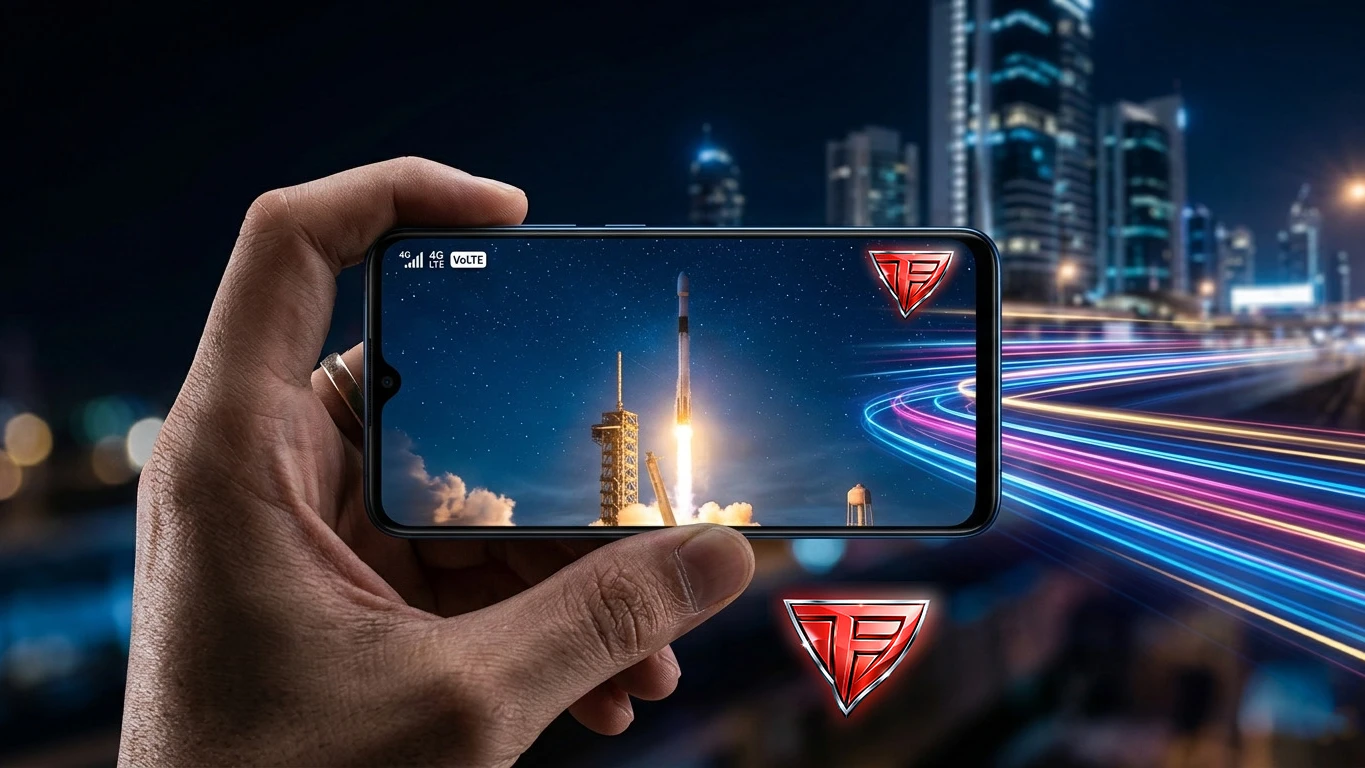
Launched around 2009, 4G (Fourth Generation)—especially LTE (Long Term Evolution) revolutionized mobile internet by delivering broadband-level speeds and low latency.
With speeds up to 100 Mbps (theoretical up to 1 Gbps) and latency around 20–50 ms, 4G is a fully IP-based network that introduced VoLTE (Voice over LTE) for high-quality voice calls. It enabled seamless HD video streaming, online gaming, cloud computing, and real-time applications.
Operating across bands like 2.6 GHz, 4G significantly improved data capacity and reliability, making smartphones the center of digital life.
Key Highlights:
High-speed internet (100 Mbps to 1 Gbps)
Low latency (20–50 ms)
VoLTE (HD voice calls)
HD streaming, gaming, and cloud services
Fully IP-based LTE network
Impact:
4G powered the App Economy, enabling platforms like video streaming, ride-sharing, social media, and online education, and transforming smartphones into powerful digital hubs.
Pioneer of 4G:
The 4G standard was defined by the International Telecommunication Union (ITU) under IMT-Advanced, while 3GPP (3rd Generation Partnership Project) developed LTE technology, making it the global standard.
5G – Ultra-Fast, Low Latency Future
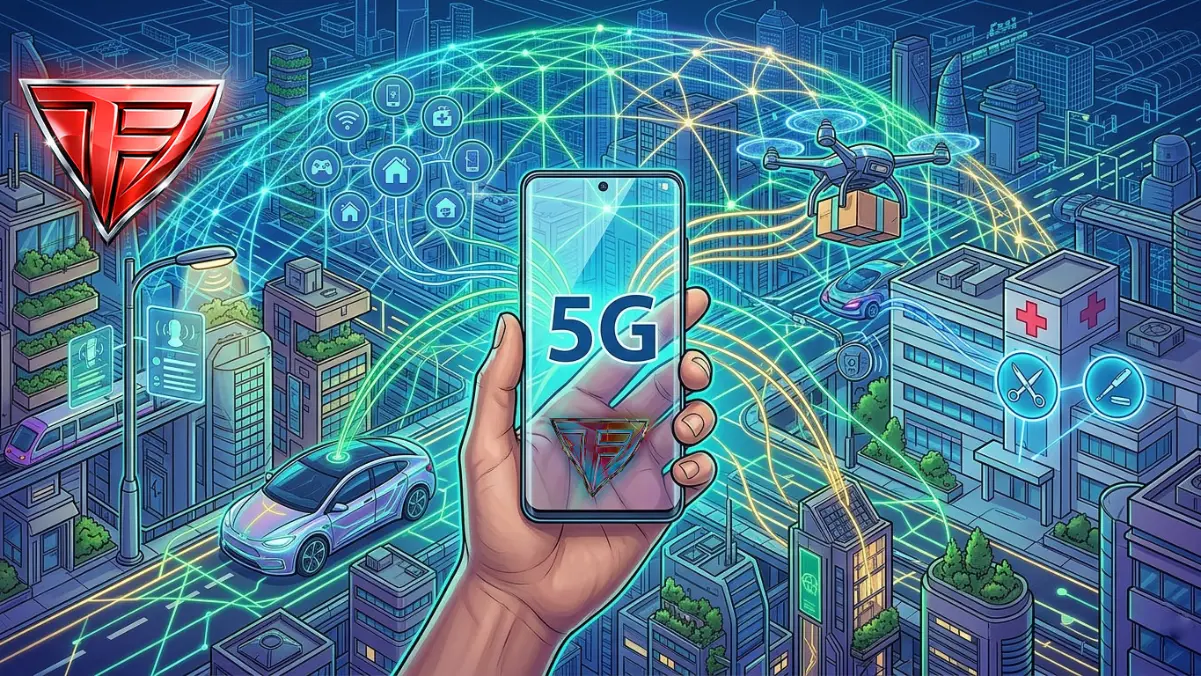
Introduced around 2019, 5G (Fifth Generation) is the latest mobile network technology, designed not just for faster internet but for advanced connectivity, IoT, and real-time applications.
It delivers ultra-high speeds up to 10 Gbps with extremely low latency of 1–10 ms, enabling instant communication. 5G operates across three spectrum bands: Low-band (wide coverage), Mid-band/Sub-6 (balanced speed and coverage), and mmWave (ultra-fast speeds over short distances).
Key Highlights:
Ultra-fast speeds (up to 10 Gbps)
Ultra-low latency (1–10 ms)
Massive device connectivity (IoT)
Spectrum bands: Low-band, Mid-band, mmWave
Technologies: eMBB, URLLC, Network Slicing, FWA
Impact:
5G powers next-generation innovations like smart cities, autonomous vehicles, remote surgery, AI systems, and high-speed wireless broadband (FWA). It supports Ultra-Reliable Low Latency Communication (URLLC) and enables multiple virtual networks through Network Slicing.
Advanced Evolution:
5G Advanced (by 2026) introduces AI-powered networks (AI-RAN), better efficiency, and direct-to-device connectivity in remote areas.
Pioneer of 5G:
5G standards are developed by 3GPP (3rd Generation Partnership Project) under the global framework of the International Telecommunication Union (ITU – IMT-2020), making it a globally unified technology.
Beyond Connectivity: Network Architecture Evolution
The user experience is driven not just by the "G" number but by the underlying architecture. We have moved from traditional hardware-based networks to Network Function Virtualization (NFV) and Software-Defined Networking (SDN) . Essentially, network infrastructure is no longer just physical towers and switches; it is software running on cloud servers. This allows carriers to deploy new services in hours instead of months.
Furthermore, the rise of Open RAN (Radio Access Network) is a trending, promoting interoperability between different hardware vendors, reducing costs, and increasing network agility.
What Comes Next? The Glimpse at 6G
As 5G matures, the industry is already defining 6G (expected around 2030). While 5G connects people to things, 6G aims to connect the digital with the biological. We are looking at Terahertz (THz) frequencies that could offer speeds of 1 Terabit per second (Tb/s)—roughly 100 times faster than 5G.
Key concepts for 6G include:
AI-Native Networks: Where AI manages the network autonomously without human intervention.
Sensing and Imaging: Using radio waves to "see" through walls, detect motion, or map environments with radar-like precision.
Holographic Communication: Moving beyond video calls to holographic projections for telepresence.
No reviews yet. Be the first to review!